
Sustainability
Multifamily housing allows for centralized utilities and can tie into existing systems.

Multifamily housing allows for centralized utilities and can tie into existing systems.

Closer homes and businesses encourage residents to walk and bike to their destinations.
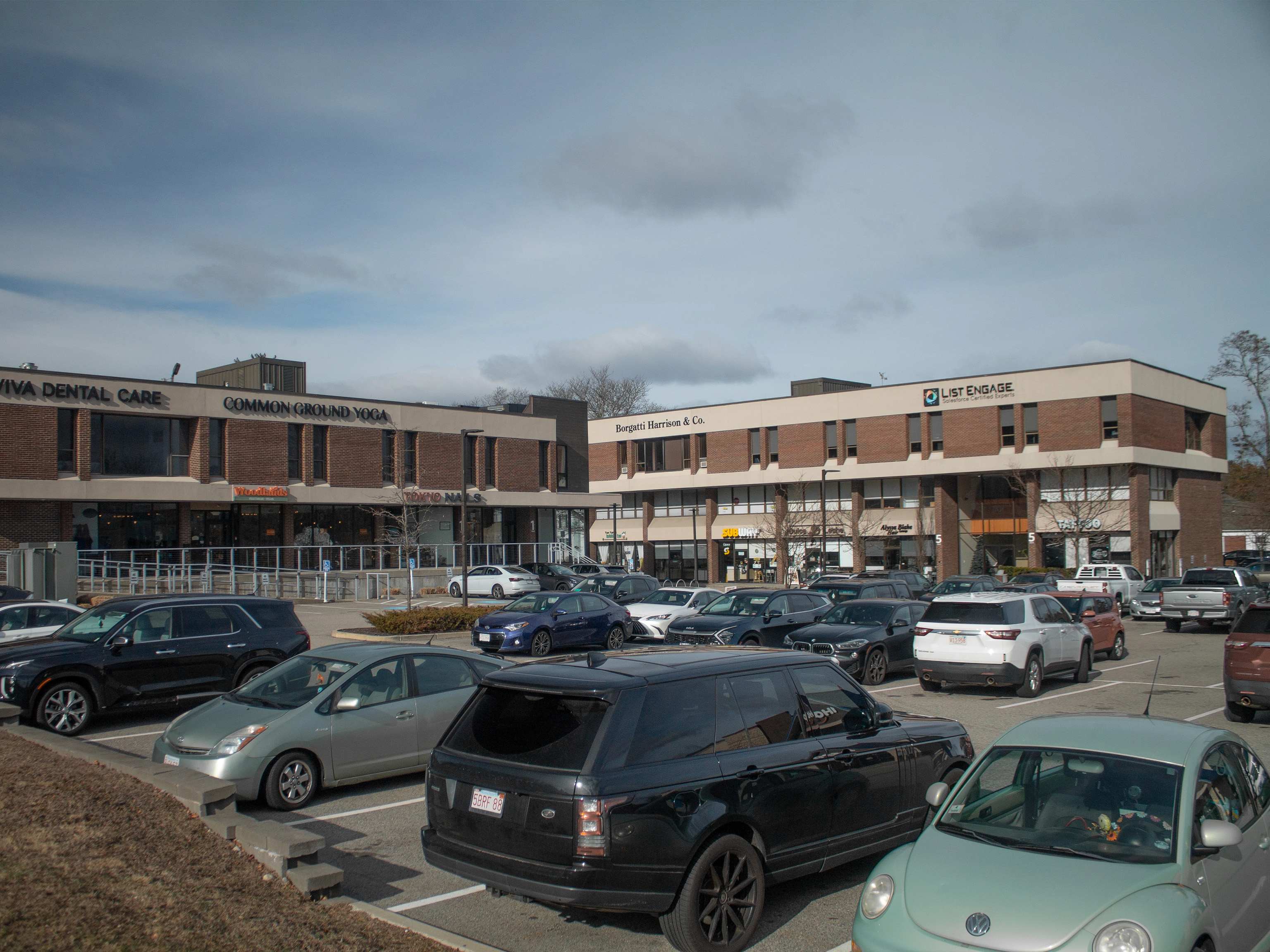
Multifamily housing add new incomes and makes the city more appealing to businesses.

More customers gives small businesses an easily accessible consumer base.
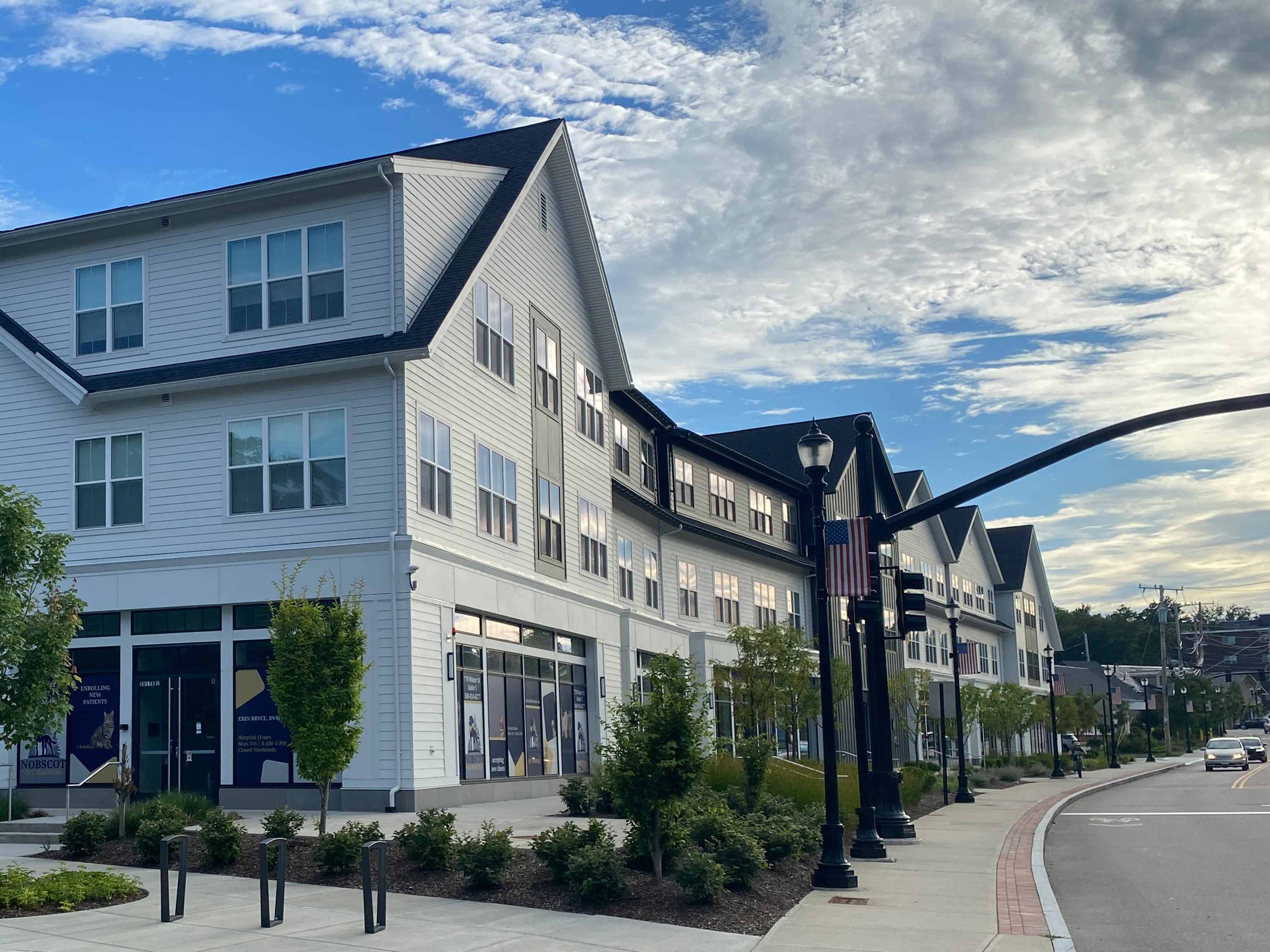
Apartments can offer cheaper solutions for the elderly and new families.
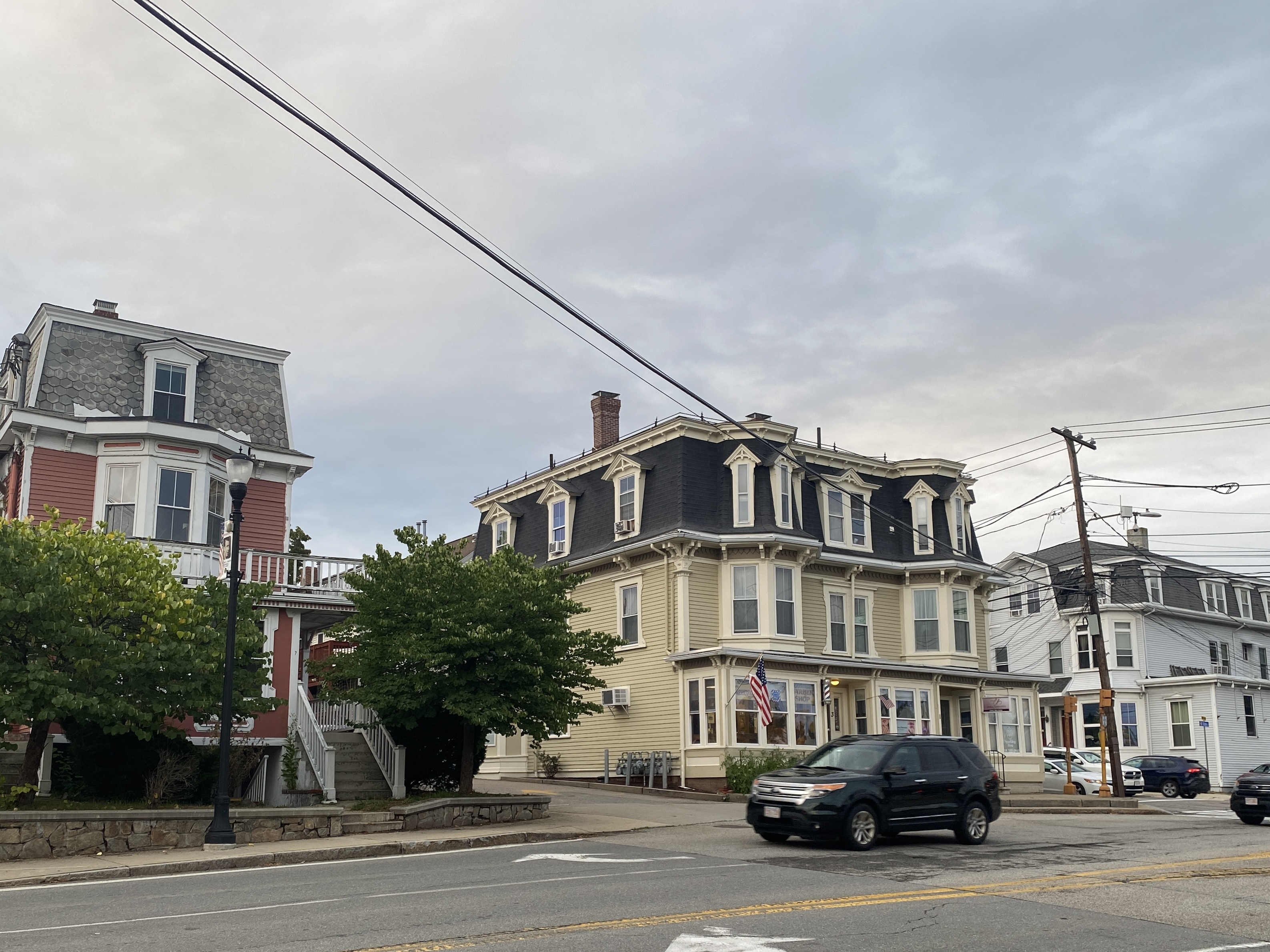
Condos in existing neighborhoods are easier for aging residents to maintain.

Housing in existing areas allows us to develop without losing green space.
Framingham is rapidly losing its status as one of the few truly affordable places to live in MetroWest.
Once affordable neighborhoods have become unattainable to most middle class families due to years of restrictive zoning, lengthy and costly permitting processes, and neighborhood opposition to new multifamily development especially in the northern half of the city. The lack of multifamily housing in Nobscot and Saxonville has left seniors with no affordable options to stay in their neighborhoods and young families no way to access the area's resources and businesses.
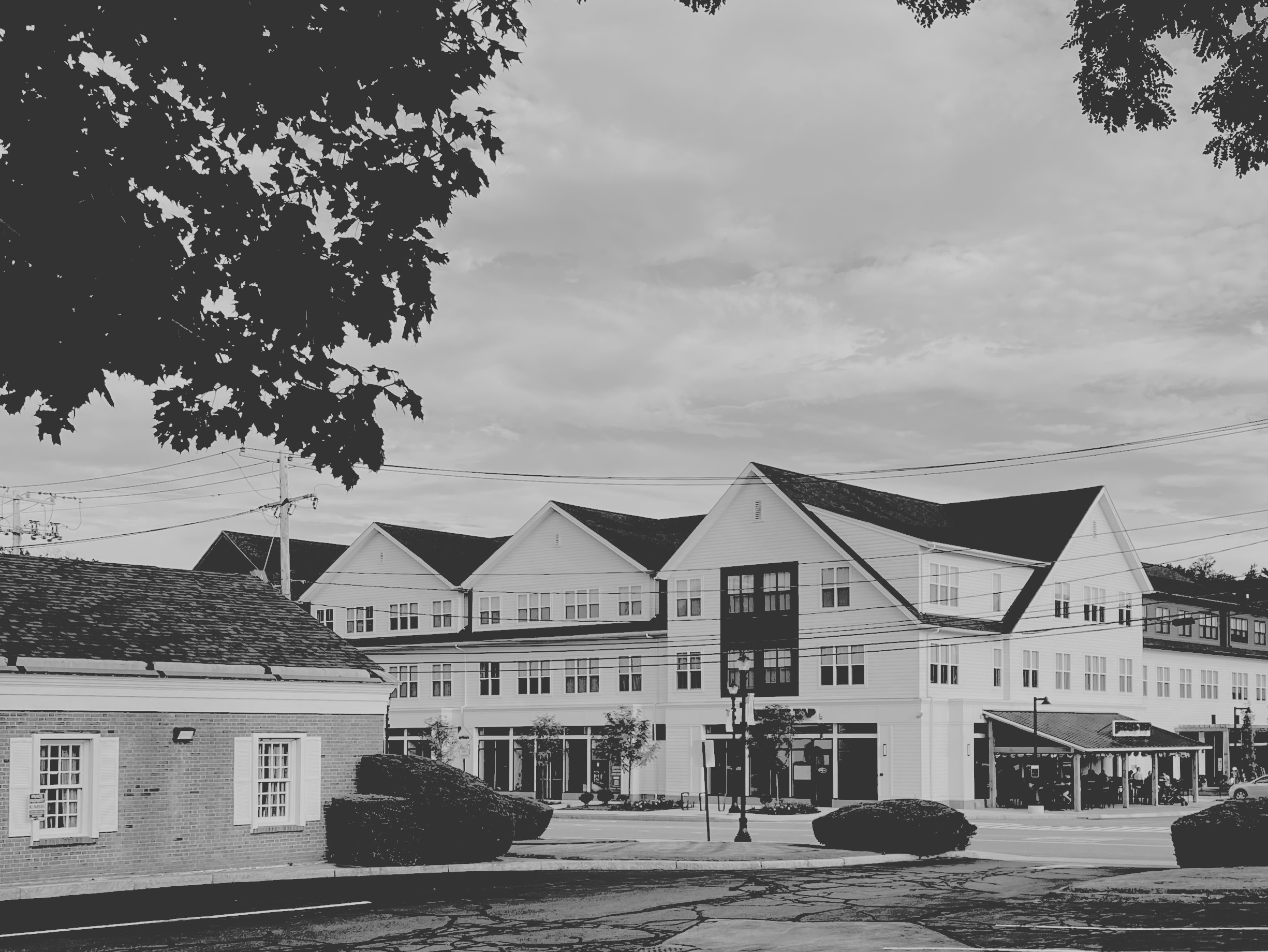
Framingham needs right-sized housing throughout its neighborhood centers that appeals to all income levels at all stages of life. In existing centers, these new units should have mixed use retail on the bottom to support a thriving local business scene.
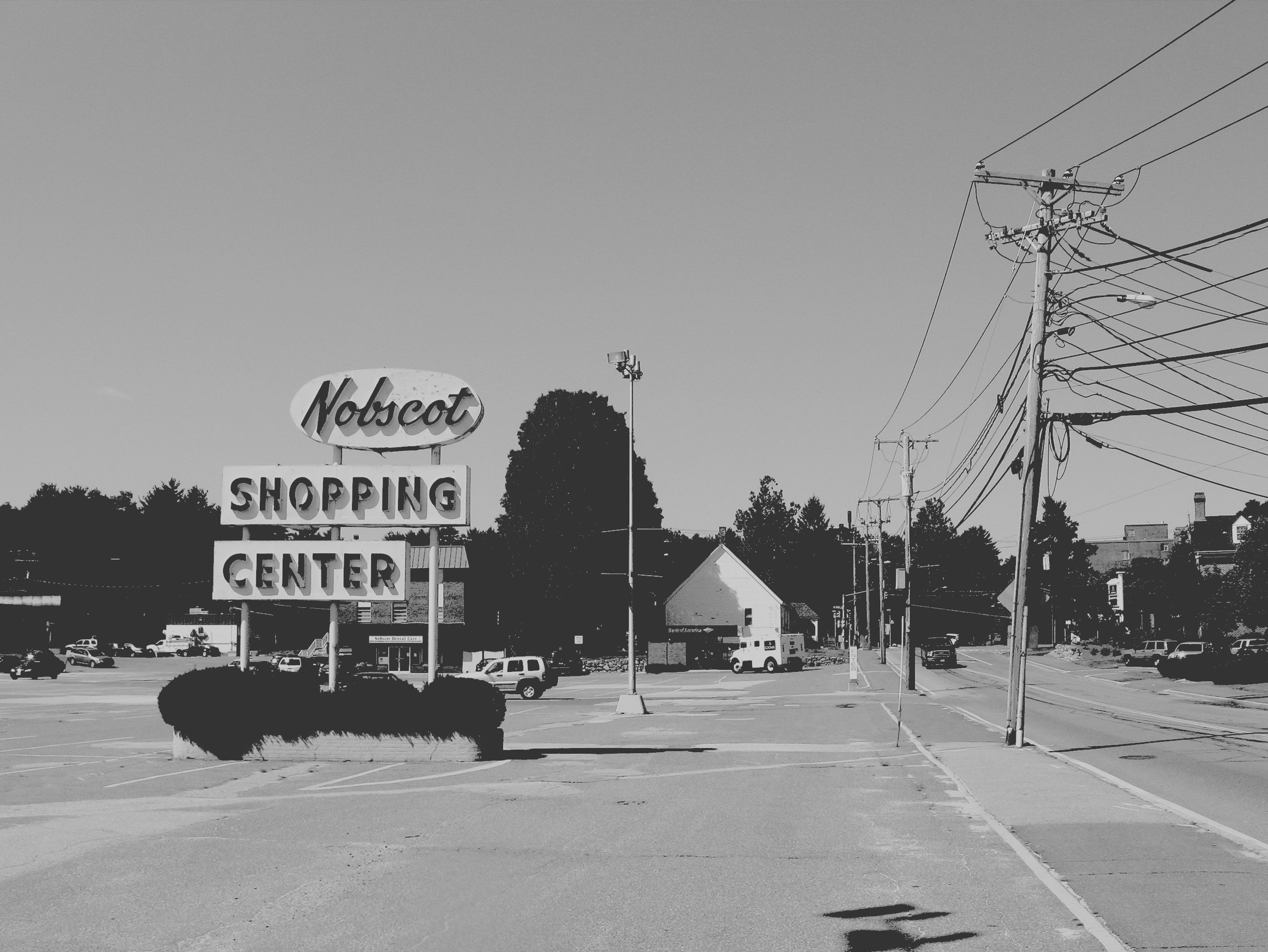
New housing should be developed within existing neighborhoods and parking lots to preserve our natural spaces and farmlands. Multifamily housing allows for the most efficient use of energy to provide for the most people.

New buildings should center around the pedestrian and biking experience. This means a focus on comfortable, human scale streets and minimizing new car infrastructure built as much as possible to keep excess traffic off of residential streets.
Check out our list of things you can do right now to support more housing in Framingham.